Naihati

Famous Festivals

Famous Festivals

Bhai Phonta

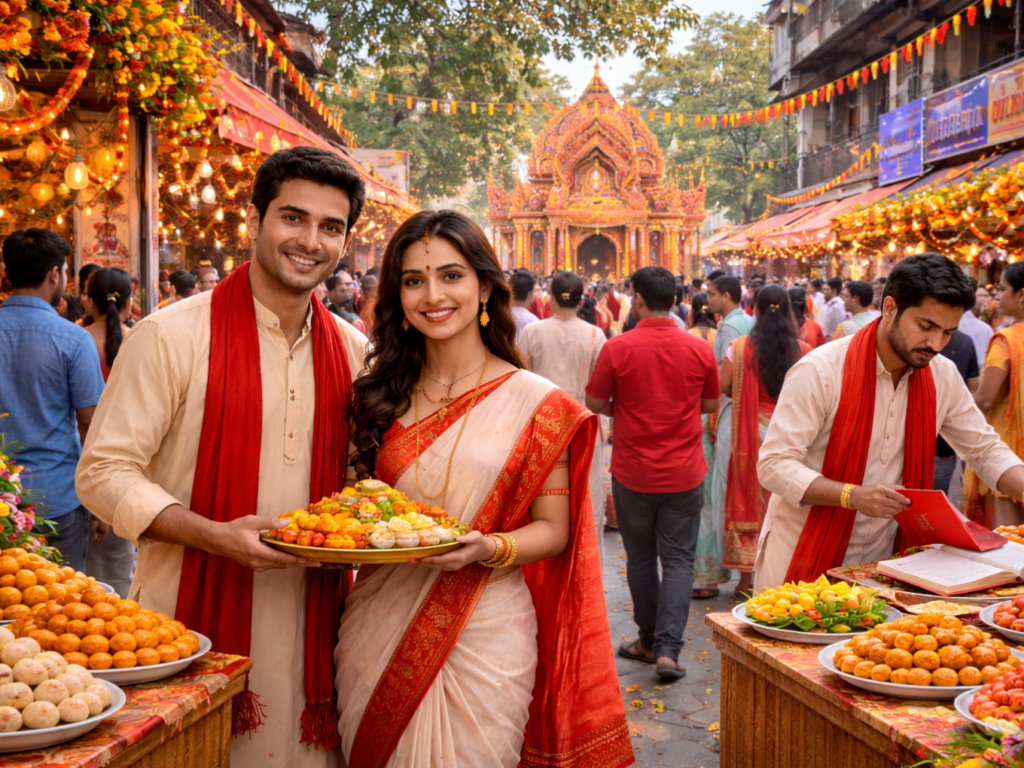
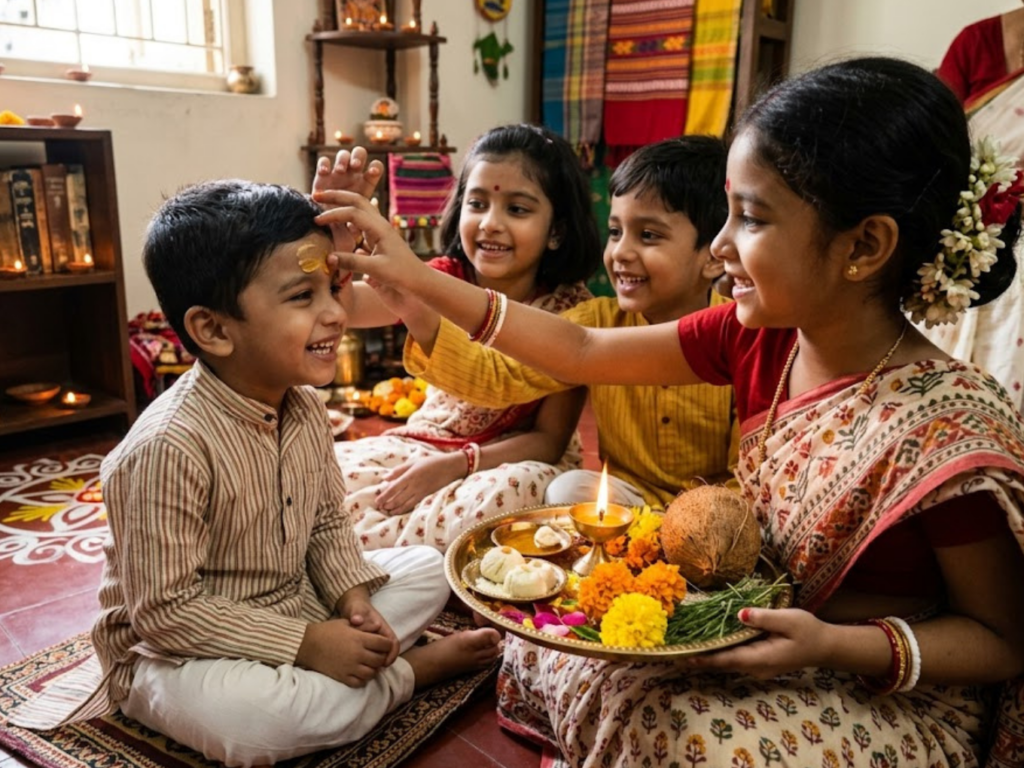
Bhai Phonta (Bengali: ভাই ফোঁটা) is a traditional Hindu festival in West Bengal (similar to Bhai Dooj in northern India) that celebrates the love, affection, and lifelong bond between brothers and sisters. On this day, sisters pray for their brothers’ long life, prosperity and protection, and brothers pledge to protect and care for their sisters. 🗓️ When Is Bhai Phonta Celebrated? 🙏 Significance of the Festival Bhai Phonta highlights: This festival is deeply rooted in Hindu cultural tradition and shared family values across Bengal. 🪔 Traditional Rituals & Customs Here’s how Bhai Phonta is typically celebrated in Bengali families, including in towns like Naihati: 🕯️ 1. Preparing the Ritual (Puja Thali) 🧿 2. Applying the Phonta (Tilak) 🍲 3. Feast and Special Foods 🎁 4. Gifts and Blessings 🏡 Family & Social Aspects 📖 Myths & Legends Associated With Bhai Phonta The festival has several stories linked to its origin: 🕉️ 1. Yama and Yamuna One popular legend tells that Yamuna welcomed her brother Yama (the god of death) with a sacred tilak and prayers, asking for his well‑being. Pleased, Yama blessed her and decreed that brothers who receive tilak from their sisters on this day would be protected. 🕉️ 2. Krishna and Subhadra Another story connects Bhai Phonta with Lord Krishna and his sister Subhadra — after Krishna’s triumphant return from battle, Subhadra welcomed him with tilak and offerings, symbolising love, protection and reunion.
Famous Festivals

Nabanna

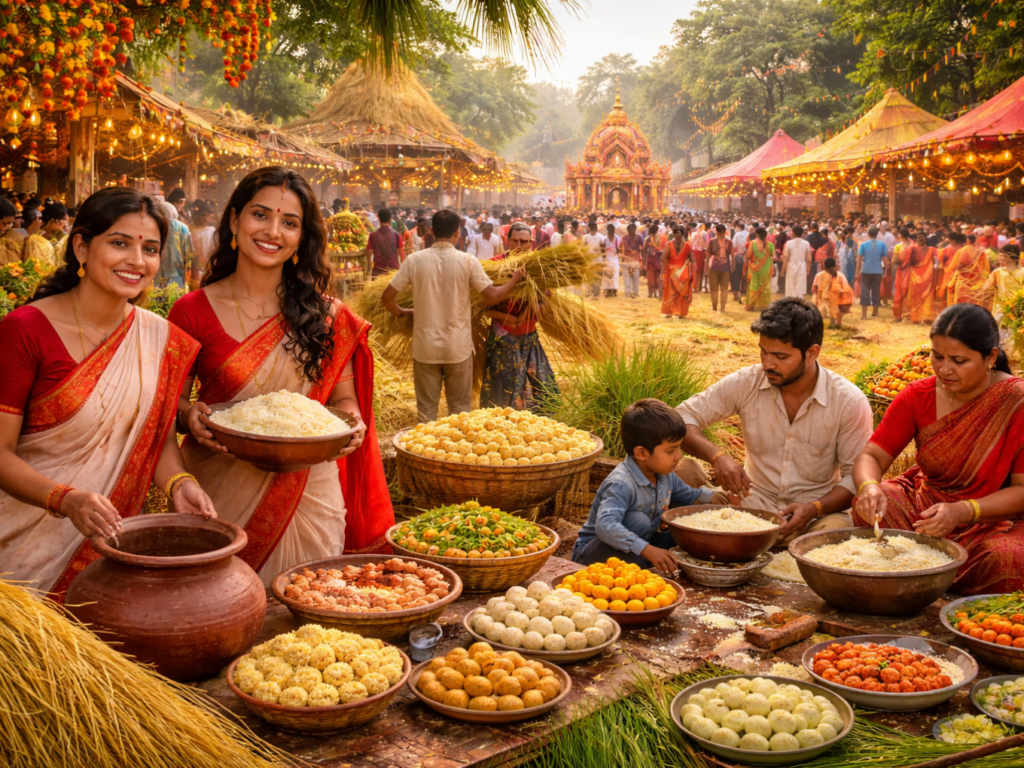
Nabanna (Bengali: নবান্ন) literally means “new rice” or “new food.” It is a traditional Bengali harvest festival that marks the end of the rice‑harvesting season and celebrates the arrival of freshly harvested Aman paddy — Bengal’s main crop. Unlike some religious festivals tied to specific gods or temples, Nabanna is deeply rooted in agrarian life — farmer families, villagers, and city communities all participate to honor the land, the harvest, and food itself. 📅 When Is Nabanna Celebrated? 🌿 Agricultural Significance 🍚 Traditional Rituals and Customs 🪔 Preparation of New Rice 🍽️ Special Foods & Dishes Traditional Bengali dishes made during Nabanna include: These foods are shared with family, relatives, neighbours, and even the poor, reinforcing community bonds. 🎉 Celebrations & Community Events 🛍️ Nabanna Melas (Harvest Fairs) 🎶 Music, Dance & Folk Culture 🤝 Social Unity 🏠 Cultural Meaning in Bengal (Including Naihati, West Bengal) 🌟 Family & Community Spirit 🍽️ Home Traditions 🎭 Rural Cultural Roots 🧠 Why Nabanna Matters 📌 Quick Summary

Famous Festivals

Rath Yatra

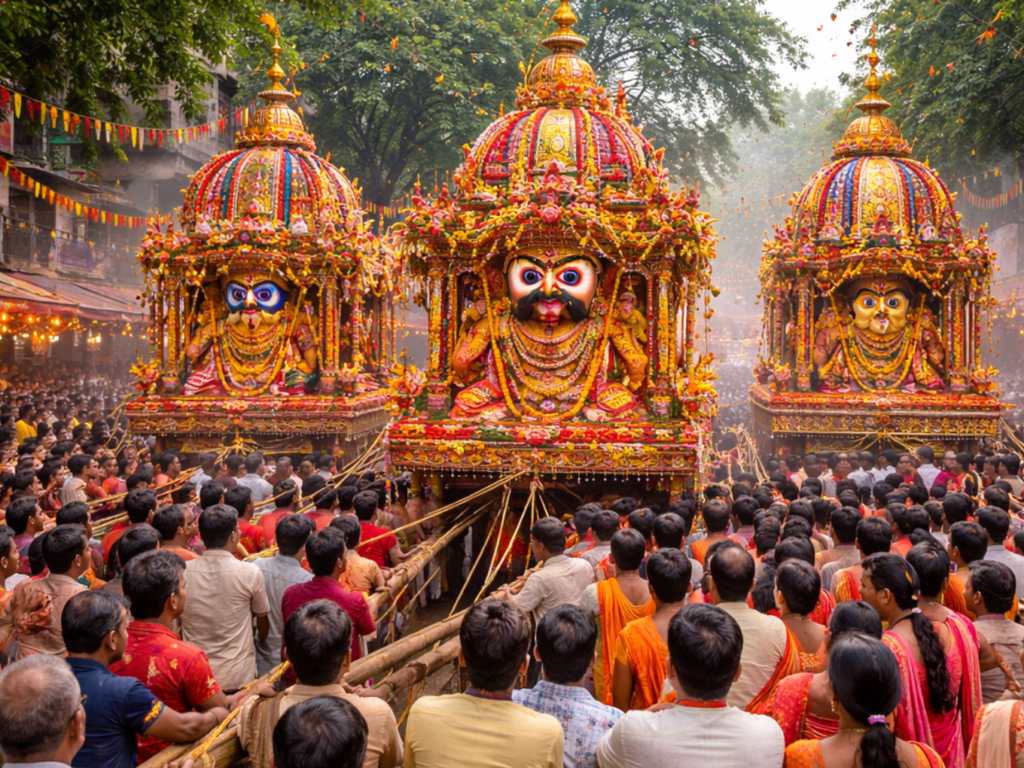
🛕 Rath Yatra — Festival of the Chariots Rath Yatra (literally “Chariot Journey”) is one of the most celebrated Hindu festivals in eastern India. It commemorates the annual procession of Lord Jagannath along with his siblings Balabhadra and Subhadra being taken out of their temple in ornately decorated chariots and pulled through the streets by devotees. 🗓️ When Is It Celebrated? The Rath Yatra festival usually occurs every year in June or July, on the Dwitiya Tithi (second day) of the bright fortnight of the Hindu month Ashadha — which typically falls between late June and early July in the Gregorian calendar. While the most famous Rath Yatra takes place in Puri, Odisha, similar observances happen across India — including in West Bengal — each with its own local flavour and traditions. 📍 Rath Yatra in Naihati, West Bengal In Naihati (West Bengal), the Rath Yatra has a long-standing history and is a significant event in the city’s religious calendar (often connected with neighborhood and temple communities such as at Radha‑Balaram Tola, Kathalpara, etc.). Local videos and accounts highlight enthusiastic participation by devotees and colourful processions. 🚩 Local Traditions & What Happens During the Festival While the most detailed rituals of Rath Yatra come from Puri, many key features carry over in local celebrations such as in Naihati: 🔹 Preparation & Decorations 🔹 The Procession 🔹 Devotee Participation 🔹 Festive Atmosphere 📜 Significance of Rath Yatra The festival carries deep spiritual and symbolic meaning: 🧠 Wider Cultural Context In West Bengal, Rath Yatra is celebrated not just in major centres like Mahesh (Hooghly), Guptipara, Mahisadal, Rajbalhat, Mayapur and Kolkata, but also in neighbourhoods such as Naihati — where it becomes both a religious occasion and community festival. 📌 Summary — Naihati Rath Yatra

Famous Festivals

Poila Boishakh

🌾 Poila Boishakh – Full Details (Naihati, West Bengal) Poila Boishakh is the Bengali New Year, widely celebrated in Naihati with great joy, cultural pride, and traditional enthusiasm. It marks the first day of the Bengali calendar (Boishakh month) and symbolizes new beginnings. 🛕 History & Significance 📅 Time of Celebration 🎉 Celebrations in Naihati 👗 Traditional Dress & Food 🌟 Unique Features in Naihati 🙏 Importance for People 🎇 Overall Experience During Poila Boishakh, Naihati becomes a colorful and lively town filled with joy, culture, and positivity. The blend of traditions, food, music, and community spirit makes it a special and memorable festival for everyone.

Famous Festivals

Kali Puja (Boro Maa Kali Puja)

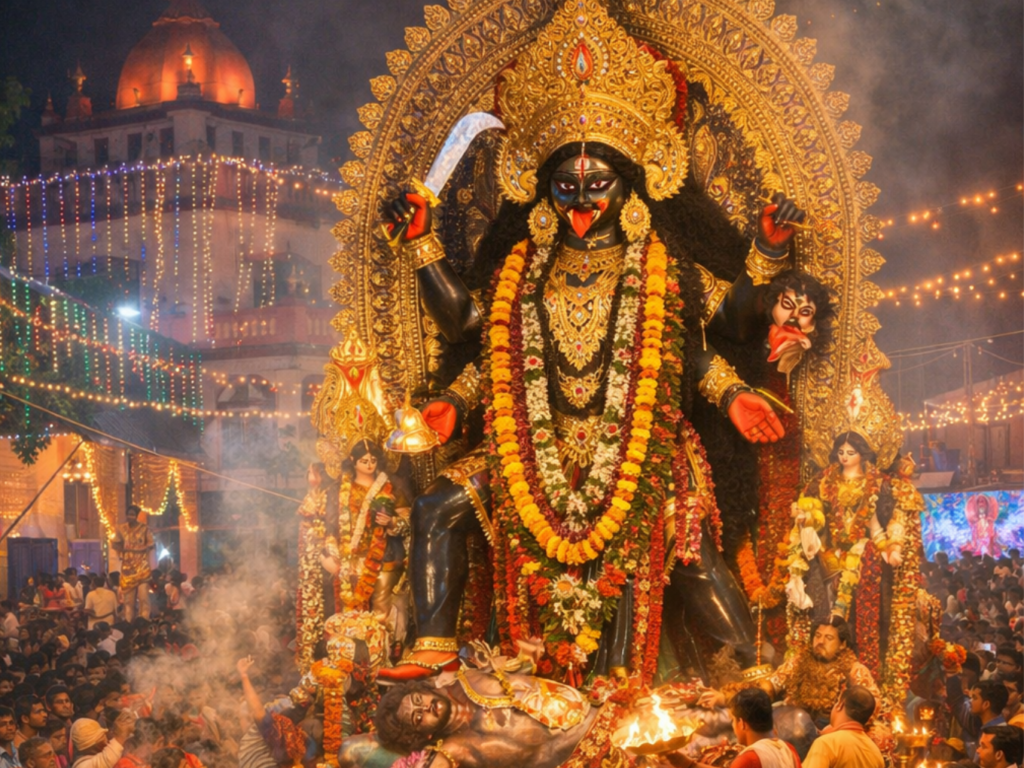
🔥 Kali Puja (Boro Maa Kali Puja) – Full Details Kali Puja (Boro Maa Kali Puja) in Naihati is one of the most famous and grand religious festivals in the region. It is centered around the revered Boro Maa Kali Temple, attracting thousands of devotees every year. 🛕 History & Significance 📅 Time of Celebration 🎉 Main Rituals & Celebrations 🌟 Unique Features 🙏 Importance for Devotees 🎇 Overall Experience During Kali Puja, Naihati transforms into a bright, festive town full of devotion and energy. The combination of spiritual rituals, lights, and community participation makes Boro Maa Kali Puja a truly unforgettable experience.

Listings
News
Home
Jobs
Contact